
Welcome to The Pearl Log — where post-shift wisdom surfaces, one shiny clinical take at a time. Some pearls are fresh, some are rough, all are found under pressure.
Find a Pearl

A Scary EKG
You are handed a triage EKG on a young patient with chest pain. The ST elevations are obvious, diffuse, and immediately uncomfortable to look at. Nothing about it feels subtle. The patient is stable, the story is incomplete, and the ECG demands a decision before the labs can help you. Is this an infarct hiding in plain sight, or inflammation pretending to be one? Before you decide, take a closer look at the tracing.

Aslanger Pattern
The Aslanger pattern is an ECG finding in inferior occlusion MI with multivessel disease where competing injury and ischemia vectors prevent classic contiguous ST-elevation. It typically shows isolated ST elevation in lead III, V1 greater than V2, and reciprocal lateral ST depression, and is associated with delayed cath and worse outcomes if missed.

Syphilis and Private Equity
Private equity ownership of hospitals consistently leads to staffing cuts, higher ED mortality, and more critically ill patients being transferred out. Meanwhile, syphilis is resurging nationwide, with rising cases across all demographics and important implications for ED recognition, testing, and treatment. Understanding RPR interpretation and correctly staging asymptomatic patients is essential, since unknown-duration infections must be treated as late latent to prevent progression.
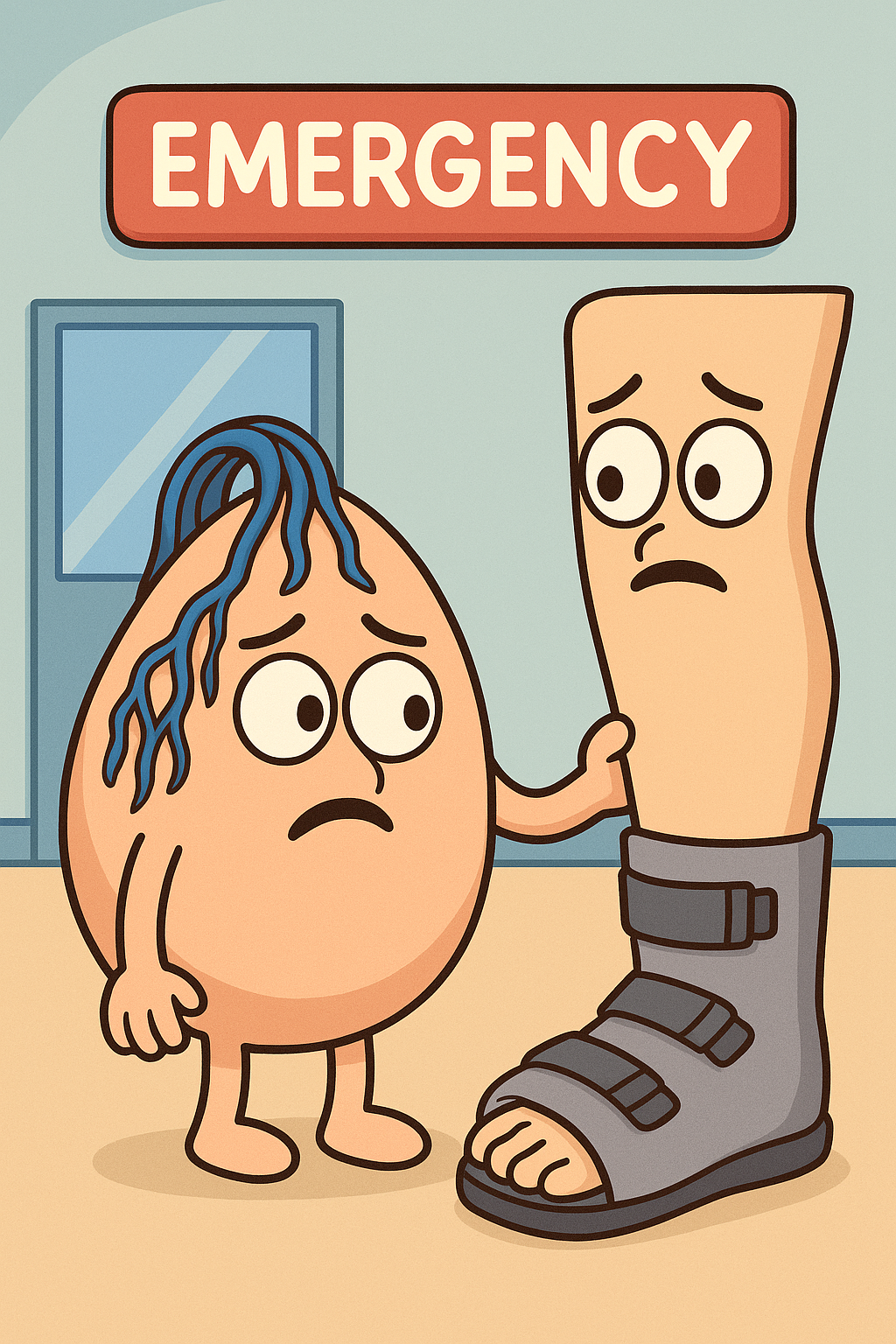
Varicoceles and Jones Fractures
A quick pair of pearls today: first, a rundown on why varicoceles show up on the left and what makes a right-sided one worth a second look in the ED. Then, a rapid comparison of Jones versus pseudo-Jones fractures.

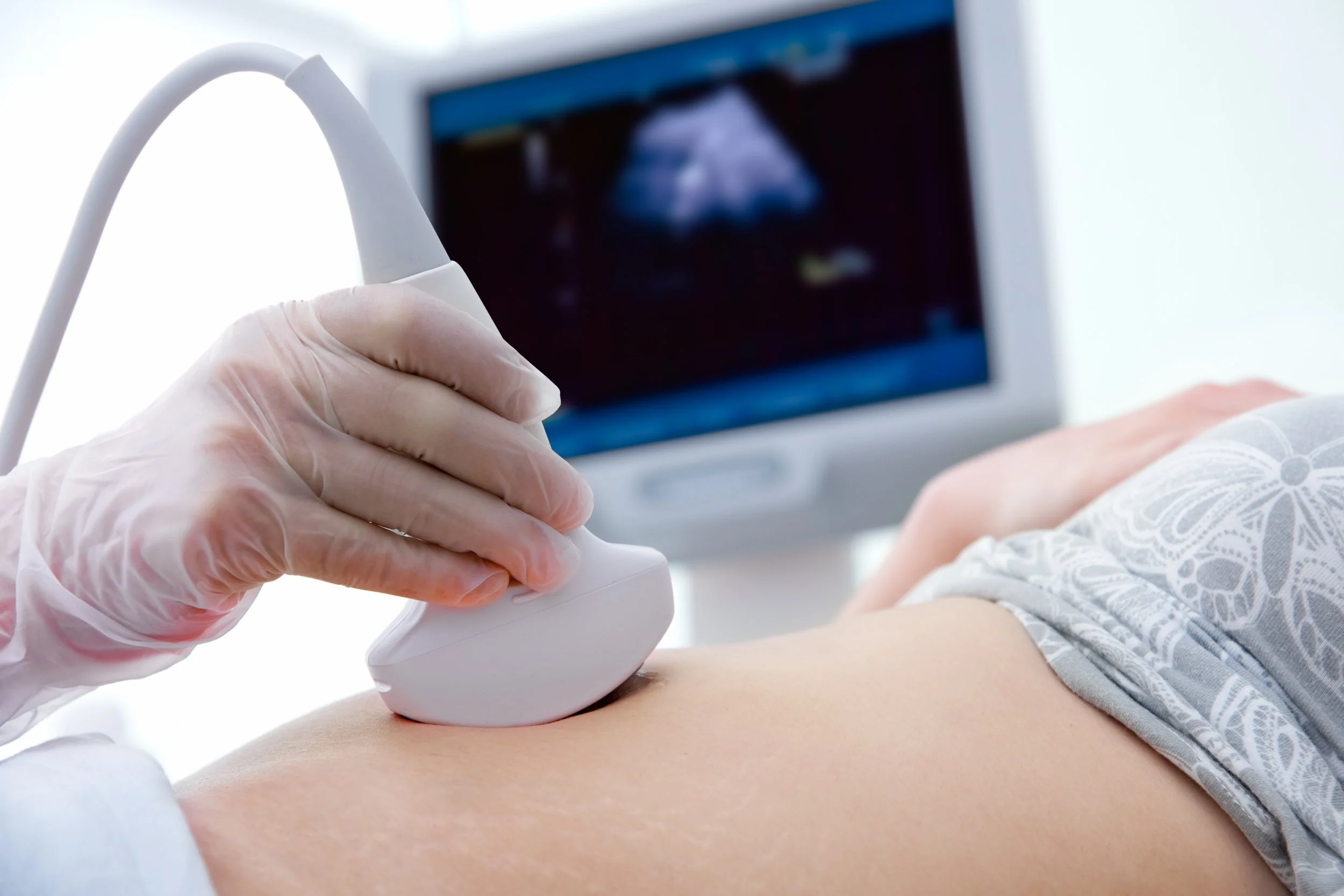
Pregnancy Ultrasound Potpourri
First trimester bleeding is one of the highest value POCUS moments in the ED. A quick transabdominal scan that shows a clear intrauterine pregnancy lets you safely discharge most patients in minutes. If the IUP is not obvious, move to transvaginal imaging to nail down the diagnosis and guide next steps.
Utility of BNP in Acute HF?
The AHA and the Scientific Statement from the ESC HFA, HFSA, and JHFS both view BNP/NT-proBNP as valuable tests for diagnosing or excluding heart failure and as strong predictors of prognosis. ACEP, however, takes a more ED-focused stance, emphasizing ultrasound over BNP and treating natriuretic peptides as optional adjuncts.

A Case of Altered Speech
A patient presented with several days of unusual, deliberate speech changes without other focal neurologic deficits, prompting an unexpected finding on neuroimaging.

Diverticula and Dislocations (Shoulder)
Antibiotics aren’t always required for uncomplicated diverticulitis—per the DINAMO trial, selected immunocompetent patients did just as well without them.
For shoulder dislocations, keep ultrasound in your back pocket—it’s fast for diagnosis and reduction confirmation. Have a few techniques ready (Cunningham, FARES, traction-countertraction). No single trick works every time.

Apixaban or Rivaroxaban for VTE?
Apixaban and rivaroxaban both block factor Xa, but real-world data give apixaban the edge. Across AFib and VTE cohorts, apixaban consistently shows lower rates of major and GI bleeding with similar efficacy. Rivaroxaban’s once-daily dosing helps adherence, but that convenience trades off a bit of safety margin. Until head-to-head RCTs land, patients will probably fare better on apixaban.

Ultrasound for Pneumoperitoneum and C-Collar Clearance
First, pneumoperitoneum on ultrasound—look for the “enhanced peritoneal stripe” and those peritoneal A-lines in the least dependent area (epigastrium or over the liver). A linear probe can help spot the air. Second, C-spine clearance after a negative high-quality CT—Trauma EAST says yes, even in obtunded patients. CT alone has an almost 100% negative predictive value, and prolonged collars can do more harm than good.

Potpourri: Recurrent Hypoglycemia, Valproic Acid Overdose, Vertigo, and Autism
A mixed bag of medicine and myth from this week’s shifts:
recurrent hypoglycemia (think meds, organ failure, and missed meals), valproic acid toxicity (with carnitine on your side), and a reminder to assess for the timing and triggers of vertigo. Oh—and Tylenol doesn’t cause autism. Read the studies, follow the money, and keep your critical lens sharper than your 10-blade.

Leukocytoclastic Vasculitis and Bactrim.
Bactrim (TMP-SMX) is a go-to for UTIs and MRSA skin infections, but it can bite back. Beyond GI upset, it carries risks like SJS, cytopenias, and rare leukocytoclastic vasculitis.
Potpourri: Euglycemic DKA, Slit Lamp, Abd Pain in Pregnancy
A few quick takeaways from shift. Euglycemic DKA is real—new ADA criteria now allow for normoglycemia if ketones and acidosis are present. Think alcohol, SGLT2s, or pregnancy. Brush up on some slit lamp basics. And for early pregnancy with pain or bleeding, grab the probe first. If you find an IUP, congrats, then your basically done.

Fecal Occult Blood Testing…Just Stop. Please.
FOBT and FIT don’t earn their keep in the ED. They were built for outpatient colorectal cancer screening, not acute GI bleeding—and they’re unreliable for both upper bleeds and clinical decision-making. A patient’s story, vitals, and hemoglobin drop tell you more than any stool card ever will. If the result wouldn’t change your management, don’t order the test.

Priapism Management
Low-flow priapism is basically compartment syndrome of the penis—and it’s every bit the emergency that sounds like.
Start with a dorsal penile nerve block for comfort, then aspirate dark blood from the corpora at 10 and 2 o’clock until it brightens and detumescence follows. If that fails, irrigate and give phenylephrine in small, timed doses. The goal: relieve pressure early and save function later.
A Post Shift Potpourri: Levocardia, Fascicular VT, Multiple System Atrophy
Just a grab-bag from the last shift’s scroll of curiosities: Levocardia, Belhassan’s VT, and Multiple System Atrophy

CPR in Traumatic Arrest
When the heart stops after trauma, the first move isn’t compressions—it’s control.
Traumatic arrest is usually about lost volume or blocked flow, not a primary cardiac event. Airway, oxygen, decompression, blood. Only when those are handled does CPR make sense, and even then, it’s more hope than physiology. Sometimes the best pulse you can give is fixing what made it vanish.

Rectal Exam in the Neutropenic Patient
A fair question for a risky host: should you really be doing a rectal exam in someone whose ANC is circling the drain?
The logic against it is sound—fragile mucosa, easy bacterial entry, high stakes. Yet the evidence behind the “never” is mostly tradition, not data. However, if another test can get you the answer, let it. Some doors just aren’t worth opening.

A case of palpitations
A 37-year-old with a heart rate just over 200, narrow complexes, and a rhythm so regular it could keep time—no flutter waves in sight. He’s talking, perfusing, and looking at you expectantly. The next move? Something simple, safe, and maybe a little gravity-assisted.