
Welcome to The Pearl Log — where post-shift wisdom surfaces, one shiny clinical take at a time. Some pearls are fresh, some are rough, all are found under pressure.
Find a Pearl

Quick Hits: Airway update, headache guidelines, status epilepticus, nailbed repair, and shellfish allergies.
Several topics we discussed on shift, including evidence-based airway management, rapid treatment of status epilepticus, nail bed injury management after the NINJA trial, contemporary migraine therapy, and the persistent myth surrounding shellfish allergy and iodinated contrast. As always, these are meant to be quick introductions to practice-changing literature and resources that are worth a closer look.
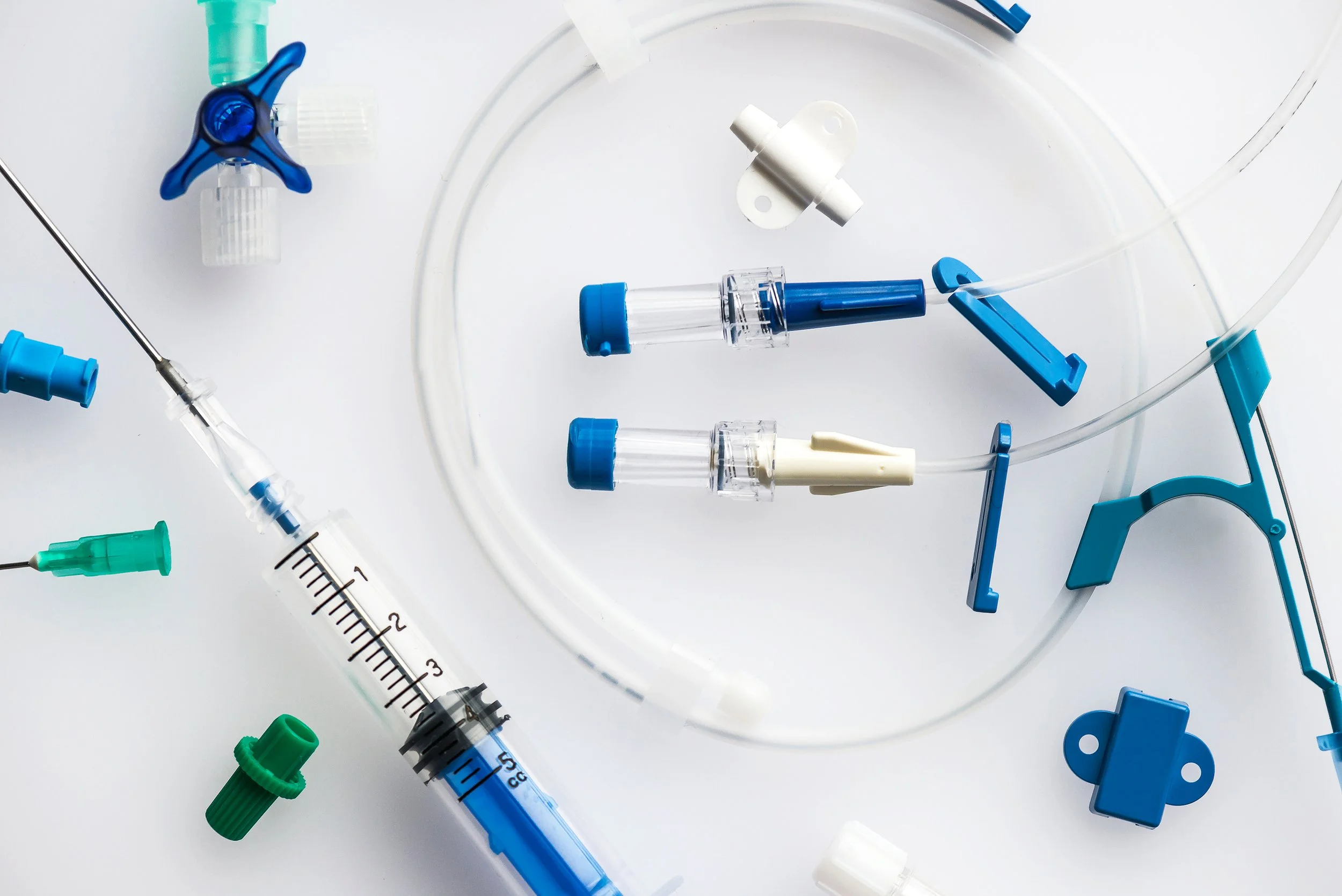
Subclavian CVCs
Subclavian access offers durability and lower infection risk but demands respect for nearby pleura and artery. Ultrasound guidance reduces complications, with infraclavicular and supraclavicular approaches offering different ergonomic and anatomic advantages. Landmark technique remains a valid option when speed, experience, or resource constraints matter.

CPR in Traumatic Arrest
When the heart stops after trauma, the first move isn’t compressions—it’s control.
Traumatic arrest is usually about lost volume or blocked flow, not a primary cardiac event. Airway, oxygen, decompression, blood. Only when those are handled does CPR make sense, and even then, it’s more hope than physiology. Sometimes the best pulse you can give is fixing what made it vanish.
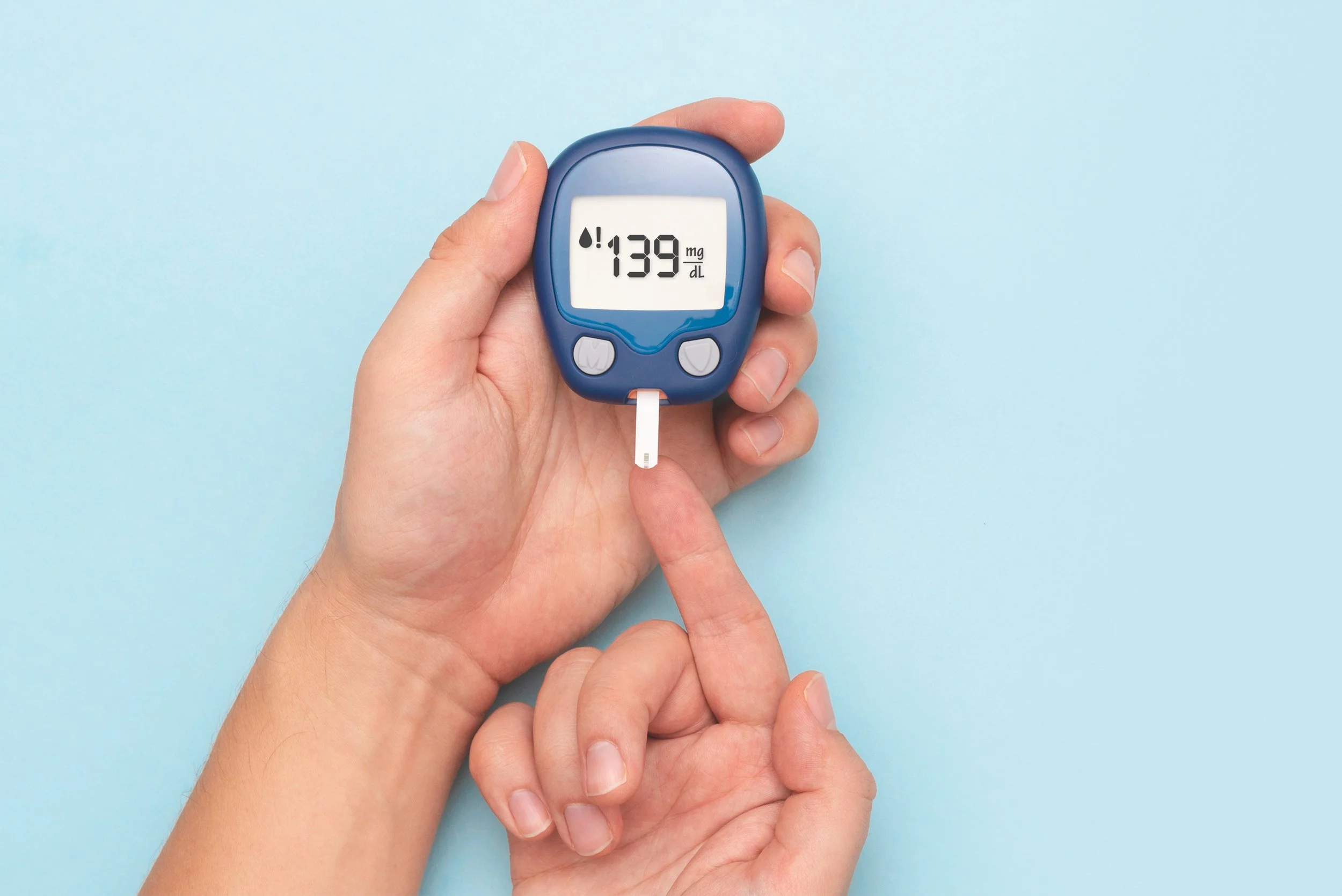
Pediatric DKA: A Quick Blurb
Pediatric DKA isn’t just “small adult DKA.”
Kids are often more dehydrated than they look, more prone to hypoglycemia and cerebral edema, and deserve careful, steady management. Fluids start with 10 cc/kg NS boluses, insulin runs at 0.05–0.1 U/kg/hr (never as a bolus), and electrolytes—especially potassium—must be watched closely. The two-bag system keeps glucose steady while ketoacidosis clears, balancing safety and control.