
Welcome to The Pearl Log — where post-shift wisdom surfaces, one shiny clinical take at a time. Some pearls are fresh, some are rough, all are found under pressure.
Find a Pearl
Traumatic dental injury, Pip-Tazo and AKI, and Infected Nephrolithiasis
Need to know traumatic dental emergencies, Pip-Tazo isn’t as bad as you were told, and the clinical picture is key for that kidney stone with a concerning UA.
ED Workflow: A Cognitive Framework
The ED can be intense. Here’s a workflow to help you make the best of your shift.

Quick Hits: Airway update, headache guidelines, status epilepticus, nailbed repair, and shellfish allergies.
Several topics we discussed on shift, including evidence-based airway management, rapid treatment of status epilepticus, nail bed injury management after the NINJA trial, contemporary migraine therapy, and the persistent myth surrounding shellfish allergy and iodinated contrast. As always, these are meant to be quick introductions to practice-changing literature and resources that are worth a closer look.
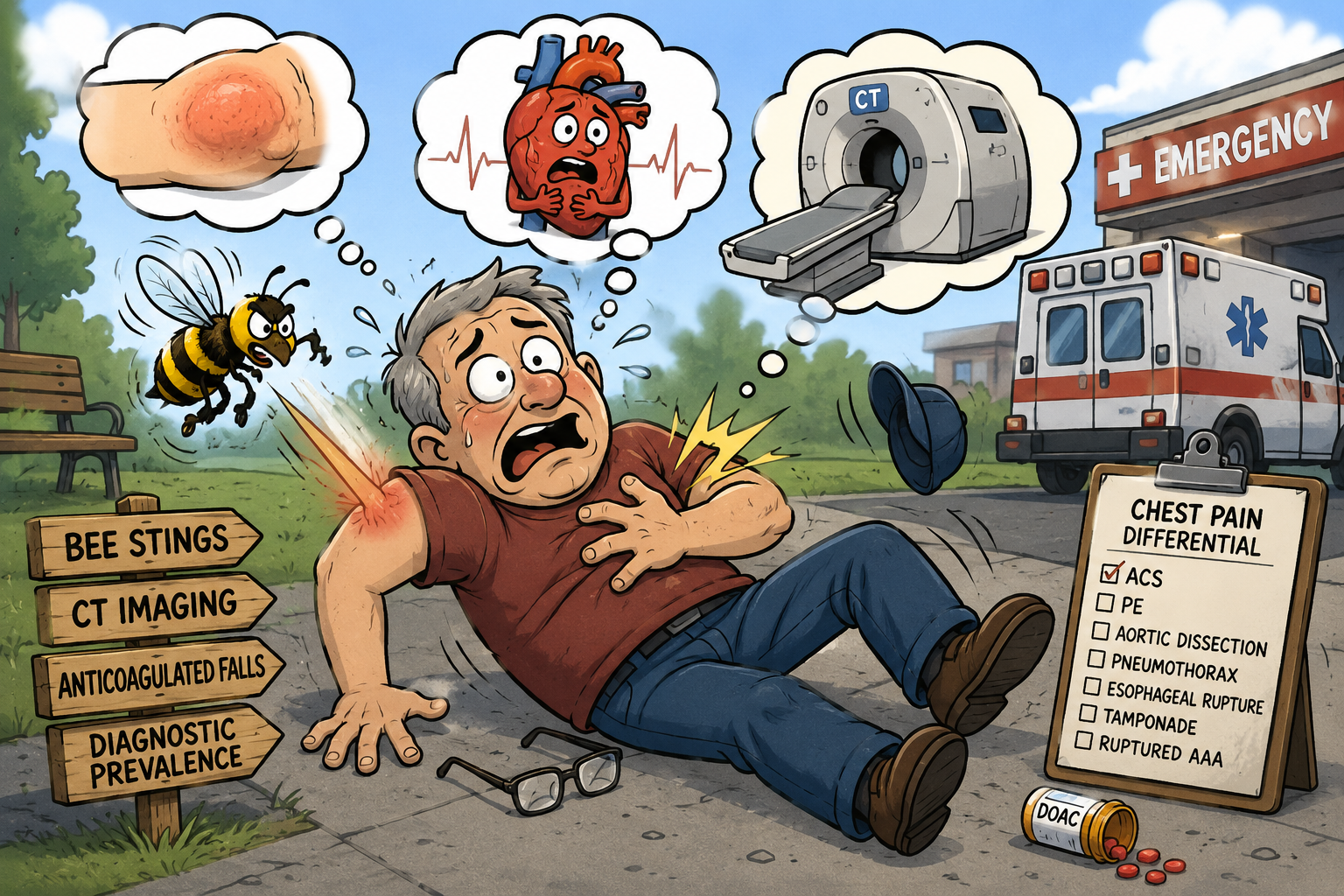
Chest Pain, Anticoagulated Falls, and Bug Bites
Explore how prevalence shapes chest pain risk, why CT decisions in anticoagulated falls remain an evidence gap, and how large local allergic reactions can convincingly masquerade as cellulitis.
Enough is Enough. Routine Coags in the ED.
Routine coags in low-risk ED patients rarely change management and often create downstream problems instead.
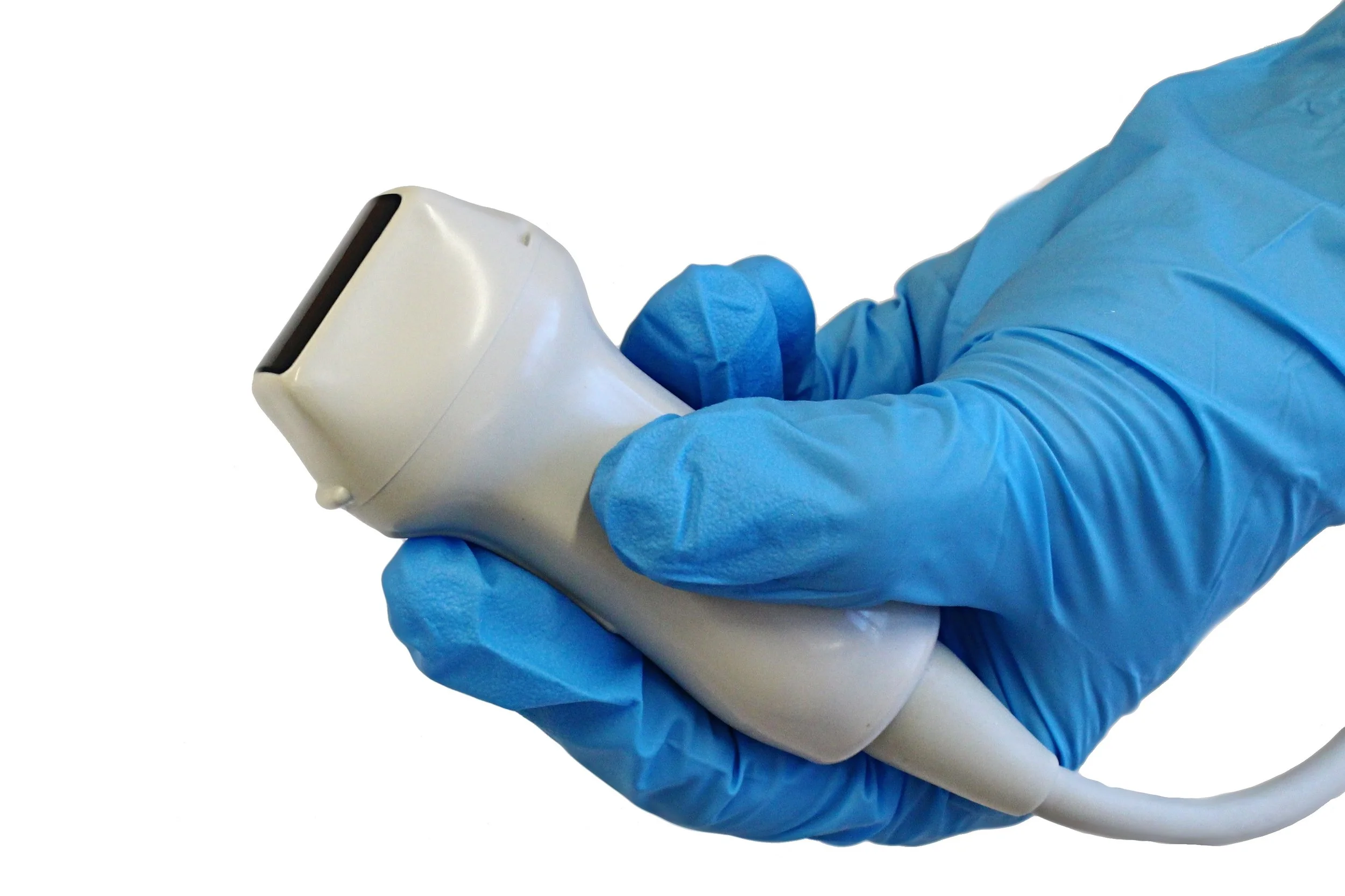
Aortas, Rectums, and BPPV
A little bit on suprasternal notch view for aortic dissection, the importance of the digital rectal exam for perirectal abscess diagnosis, and a referral to a new BPPV review article.
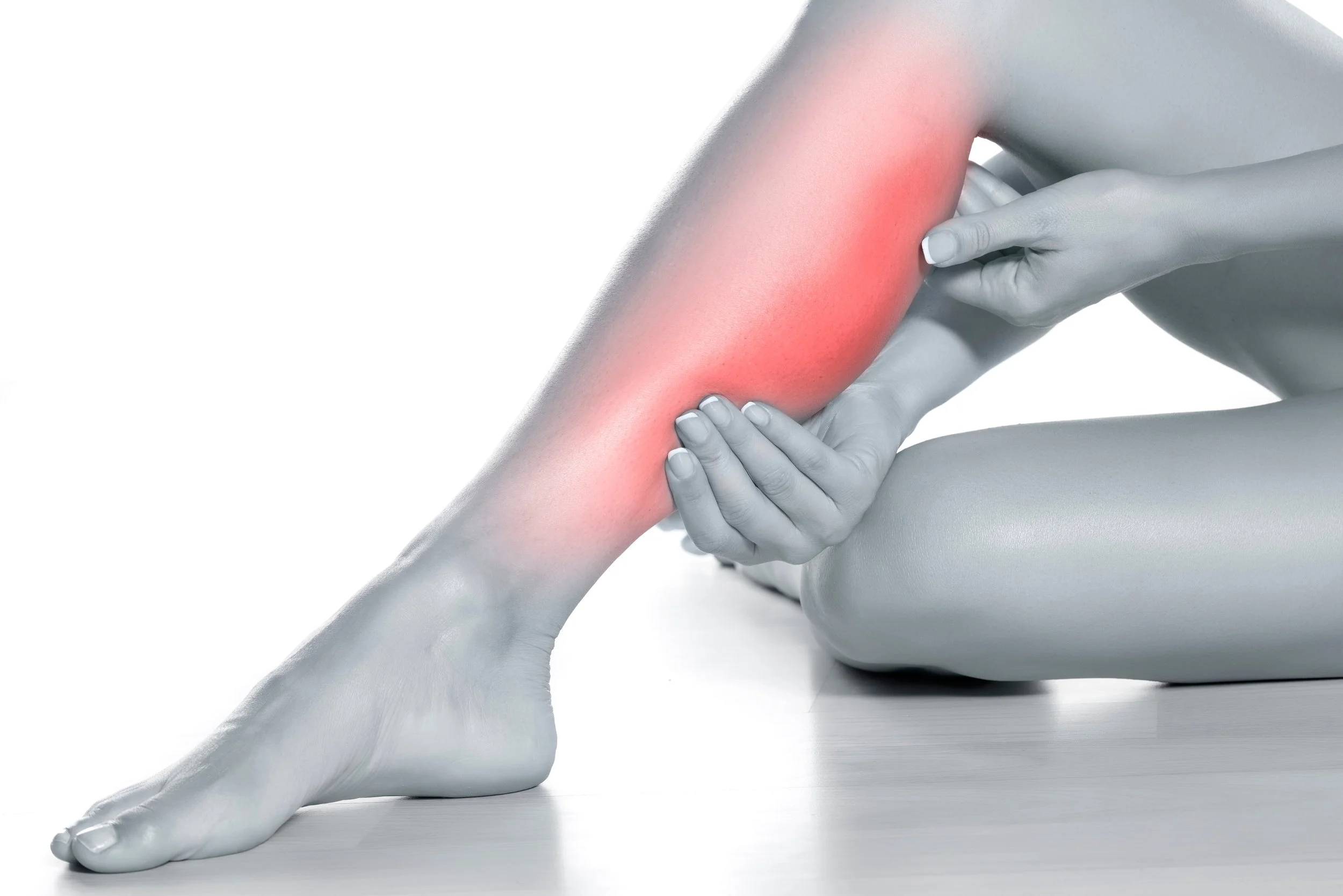
Leg Pain Pontification
Osteoarthritis is a clinical diagnosis driven by multifactorial structural and central pain mechanisms, where symptom severity often poorly correlates with imaging, and management remains stepwise with a focus on nonpharmacologic therapy and, if needed, topical NSAIDs. For suspected DVT, a structured approach using Wells criteria and age-adjusted D-dimer safely reduces unnecessary imaging, with recent prospective data supporting its reliability in low- to moderate-risk patients.

Scan Less, Think More: Canadian Rules for Head and C-Spine Trauma
A quick review and commentary on the Canadian CT head and CT C-Spine clinical decision rules.

Syphilis and Private Equity
Private equity ownership of hospitals consistently leads to staffing cuts, higher ED mortality, and more critically ill patients being transferred out. Meanwhile, syphilis is resurging nationwide, with rising cases across all demographics and important implications for ED recognition, testing, and treatment. Understanding RPR interpretation and correctly staging asymptomatic patients is essential, since unknown-duration infections must be treated as late latent to prevent progression.

Potpourri 3: Recurrent Hypoglycemia, Valproic Acid Overdose, Vertigo, and Autism
A mixed bag of medicine and myth from this week’s shifts:
recurrent hypoglycemia (think meds, organ failure, and missed meals), valproic acid toxicity (with carnitine on your side), and a reminder to assess for the timing and triggers of vertigo. Oh—and Tylenol doesn’t cause autism. Read the studies, follow the money, and keep your critical lens sharper than your 10-blade.
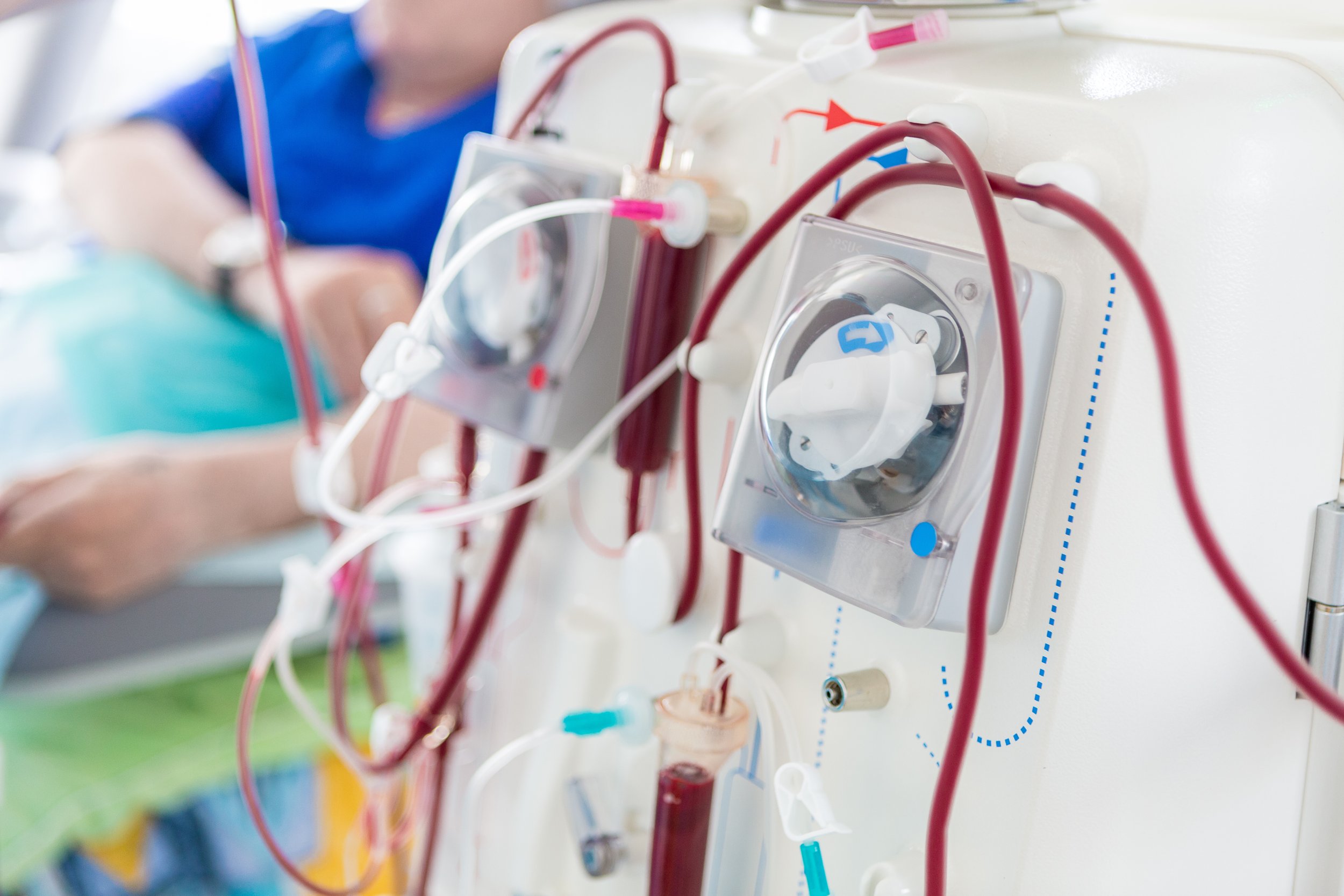
Dialysis after contrast in patients with ESRD?
Ordering contrast on a dialysis patient? Go ahead.
Modern low-osmolality agents likely aren’t directly nephrotoxic, and studies show no loss of residual function in dialysis patients who still make urine. The ACR backs this up—no need for an extra dialysis session or delay in imaging. Get the scan, make the diagnosis.
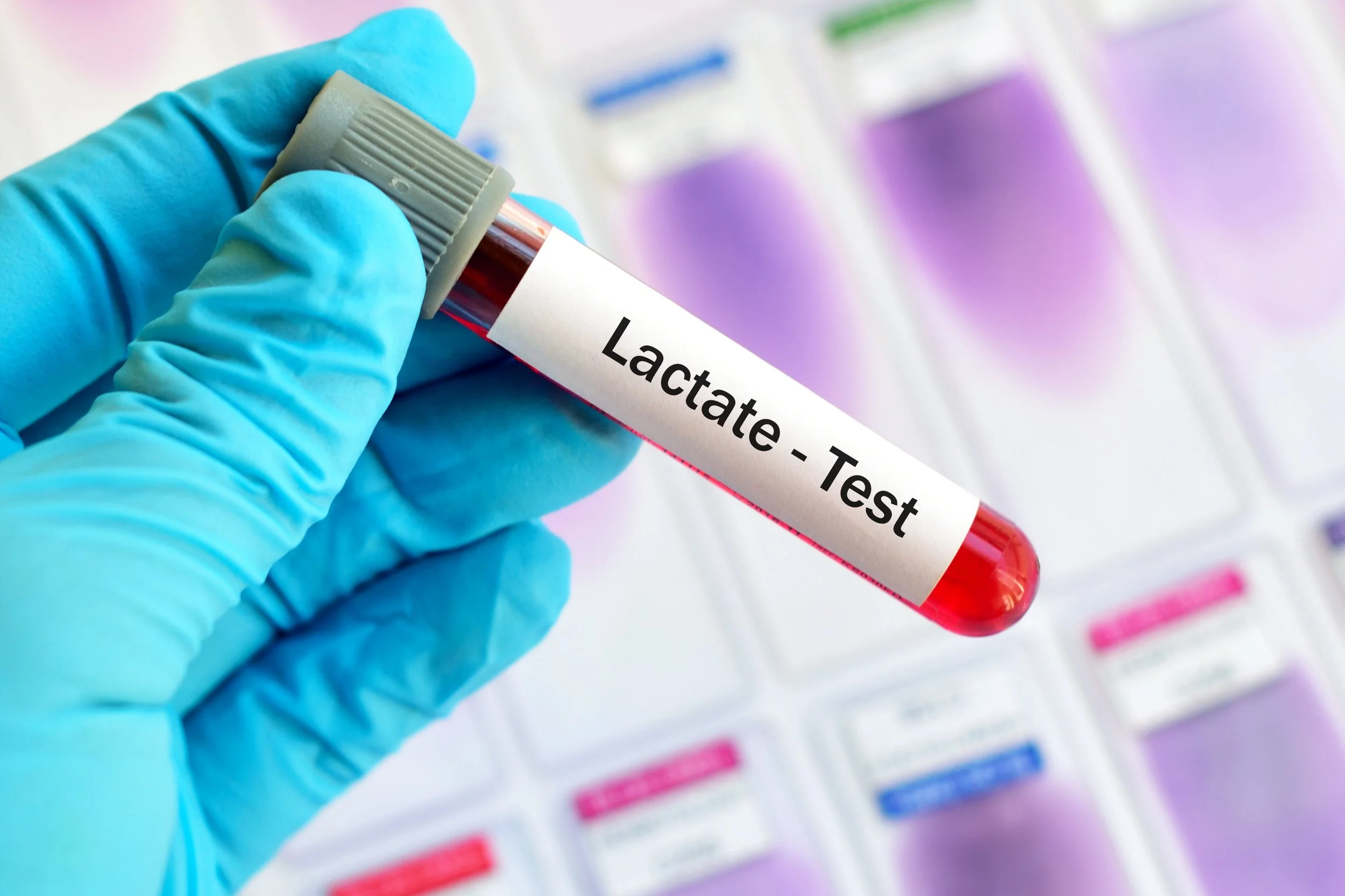
Lactate, Lactate, Lactate…
Lactate has two personalities, and not all of them mean “shock.”
Type A stems from true hypoperfusion and anaerobic metabolism, while Type B comes from impaired lactate clearance or altered cellular processing—think thiamine deficiency, ethanol, metformin, malignancy, or liver disease. And when it spikes after a seizure? It’s only meaningful if caught fast—within about 90 minutes—before it clears and the trail goes cold.