
Welcome to The Pearl Log — where post-shift wisdom surfaces, one shiny clinical take at a time. Some pearls are fresh, some are rough, all are found under pressure.
Find a Pearl
Knee Pain and Monkeypox
Throw out those knee immobilizers for traumatic knee pain.
Don’t miss monkeypox when it walks into your ER!

a BIG Deal.
The Brain Injury Guidelines provide an evidence-based framework to safely risk stratify patients with blunt traumatic brain injury and intracranial hemorrhage. By incorporating clinical context alongside imaging findings, mBIG helps reduce unnecessary neurosurgical consultations, repeat CT scans, and admissions. Implementation should remain institution-specific and grounded in clinical judgment and system capabilities.

Scan Less, Think More: Canadian Rules for Head and C-Spine Trauma
A quick review and commentary on the Canadian CT head and CT C-Spine clinical decision rules.
Ultrasound for Pneumoperitoneum and C-Collar Clearance
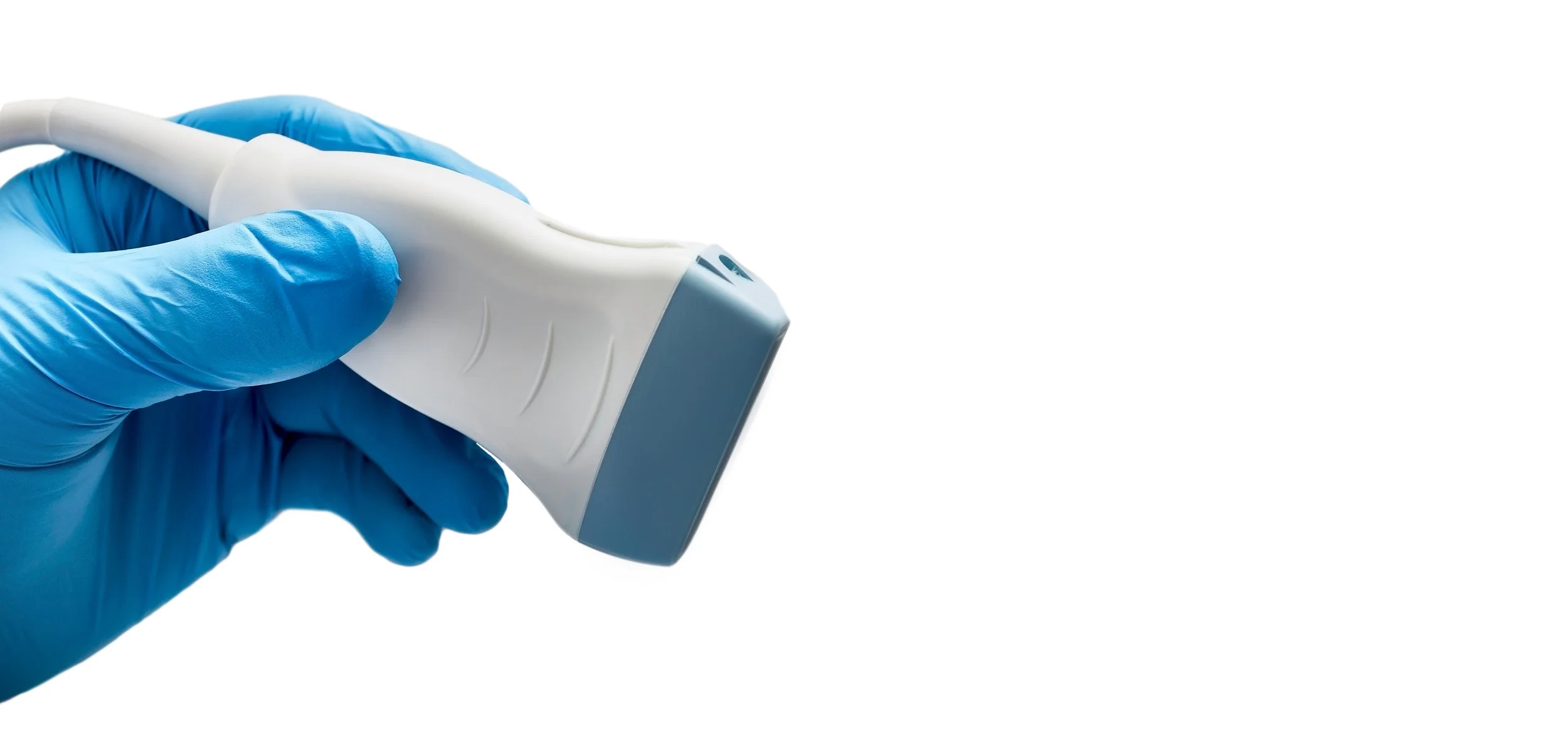
First, pneumoperitoneum on ultrasound—look for the “enhanced peritoneal stripe” and those peritoneal A-lines in the least dependent area (epigastrium or over the liver). A linear probe can help spot the air. Second, C-spine clearance after a negative high-quality CT—Trauma EAST says yes, even in obtunded patients. CT alone has an almost 100% negative predictive value, and prolonged collars can do more harm than good.

CPR in Traumatic Arrest
When the heart stops after trauma, the first move isn’t compressions—it’s control.
Traumatic arrest is usually about lost volume or blocked flow, not a primary cardiac event. Airway, oxygen, decompression, blood. Only when those are handled does CPR make sense, and even then, it’s more hope than physiology. Sometimes the best pulse you can give is fixing what made it vanish.