
Welcome to The Pearl Log — where post-shift wisdom surfaces, one shiny clinical take at a time. Some pearls are fresh, some are rough, all are found under pressure.
Find a Pearl

CPR in Traumatic Arrest
When the heart stops after trauma, the first move isn’t compressions—it’s control.
Traumatic arrest is usually about lost volume or blocked flow, not a primary cardiac event. Airway, oxygen, decompression, blood. Only when those are handled does CPR make sense, and even then, it’s more hope than physiology. Sometimes the best pulse you can give is fixing what made it vanish.
Rectal Exam in the Neutropenic Patient
A fair question for a risky host: should you really be doing a rectal exam in someone whose ANC is circling the drain?
The logic against it is sound—fragile mucosa, easy bacterial entry, high stakes. Yet the evidence behind the “never” is mostly tradition, not data. However, if another test can get you the answer, let it. Some doors just aren’t worth opening.

A case of palpitations
A 37-year-old with a heart rate just over 200, narrow complexes, and a rhythm so regular it could keep time—no flutter waves in sight. He’s talking, perfusing, and looking at you expectantly. The next move? Something simple, safe, and maybe a little gravity-assisted.
Acute Pancreatitis in 2025
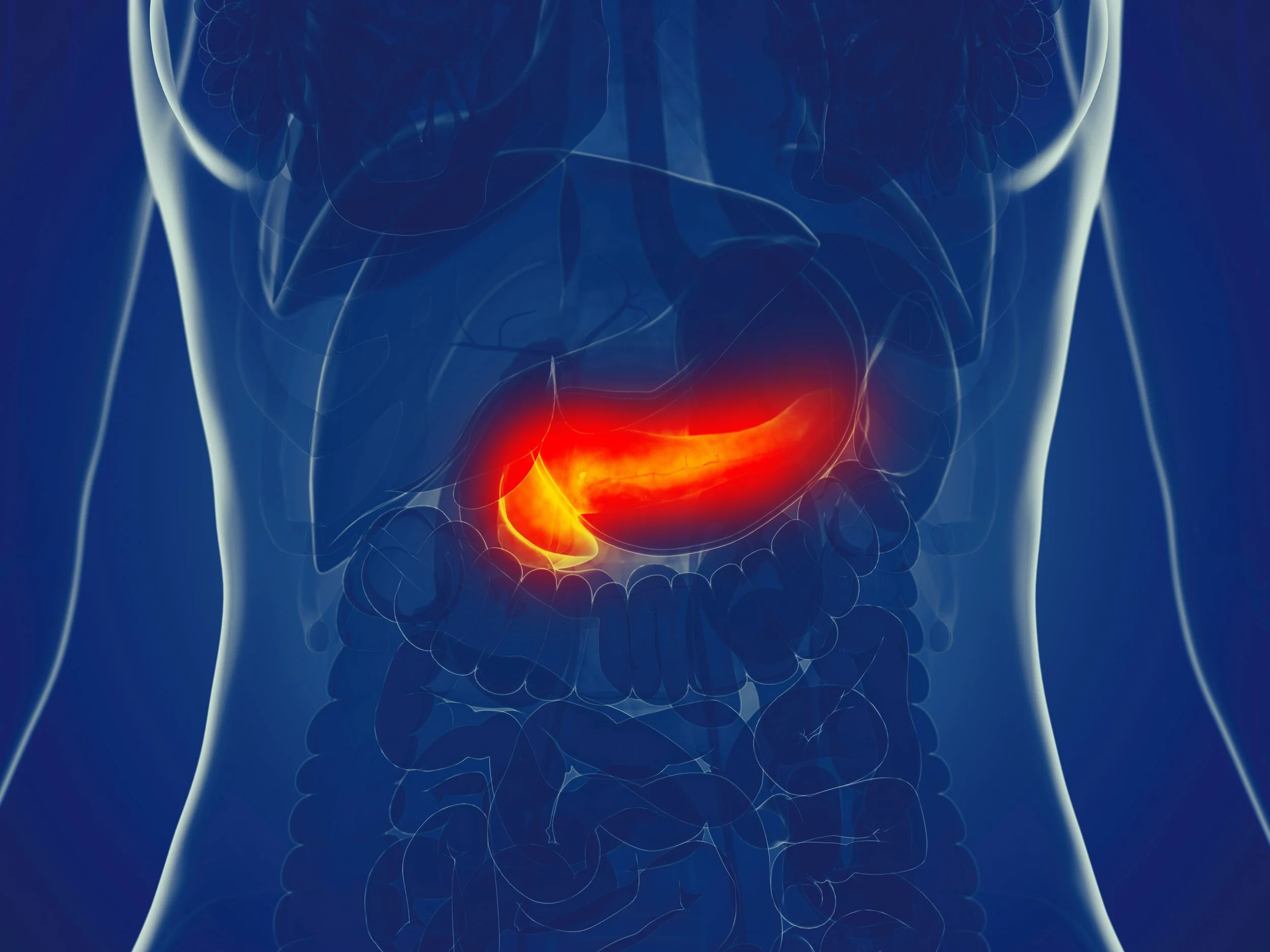
Acute pancreatitis: common, painful, and often over-imaged.
Diagnosis usually just needs pain and a lipase 3× ULN—no CT required. The 2024 ACG guidelines emphasize moderate LR resuscitation (not aggressive), early enteral feeding, and early cholecystectomy for gallstone cases. Most cases are mild, but 1 in 5 can worsen fast, so disposition hinges on oral tolerance, vitals, and follow-up reliability.
Pediatric DKA: A Quick Blurb
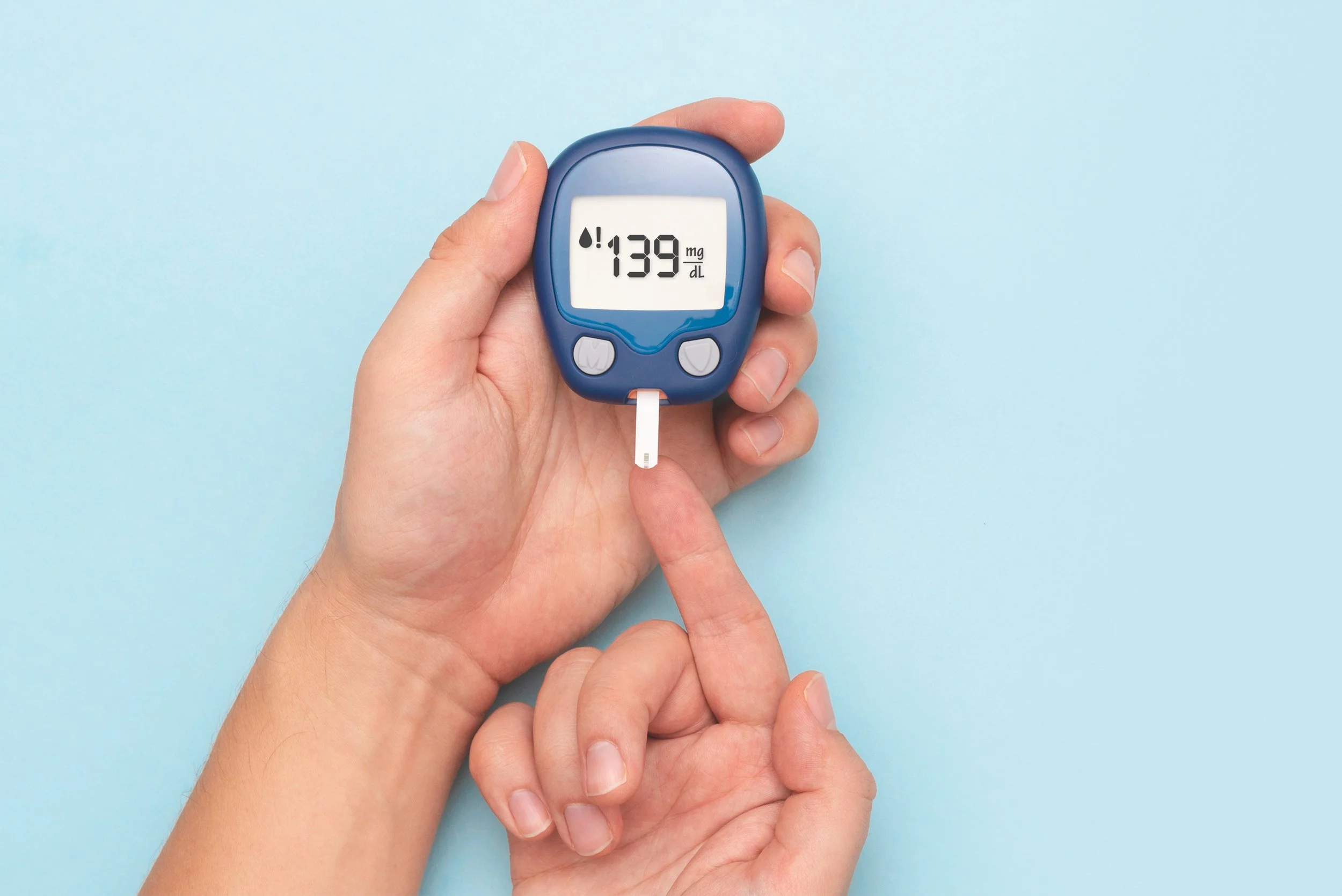
Pediatric DKA isn’t just “small adult DKA.”
Kids are often more dehydrated than they look, more prone to hypoglycemia and cerebral edema, and deserve careful, steady management. Fluids start with 10 cc/kg NS boluses, insulin runs at 0.05–0.1 U/kg/hr (never as a bolus), and electrolytes—especially potassium—must be watched closely. The two-bag system keeps glucose steady while ketoacidosis clears, balancing safety and control.
Dialysis after contrast in patients with ESRD?
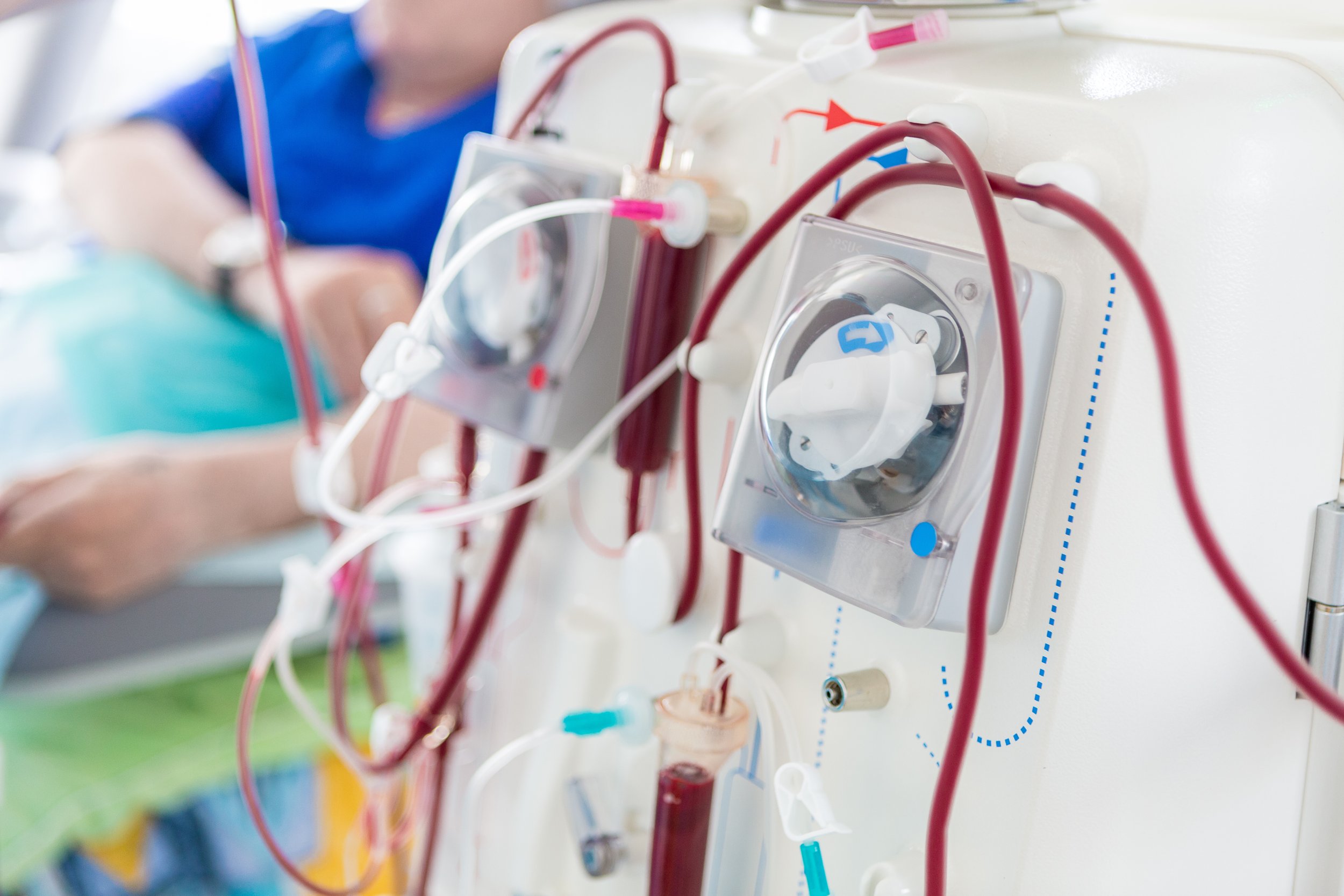
Ordering contrast on a dialysis patient? Go ahead.
Modern low-osmolality agents likely aren’t directly nephrotoxic, and studies show no loss of residual function in dialysis patients who still make urine. The ACR backs this up—no need for an extra dialysis session or delay in imaging. Get the scan, make the diagnosis.
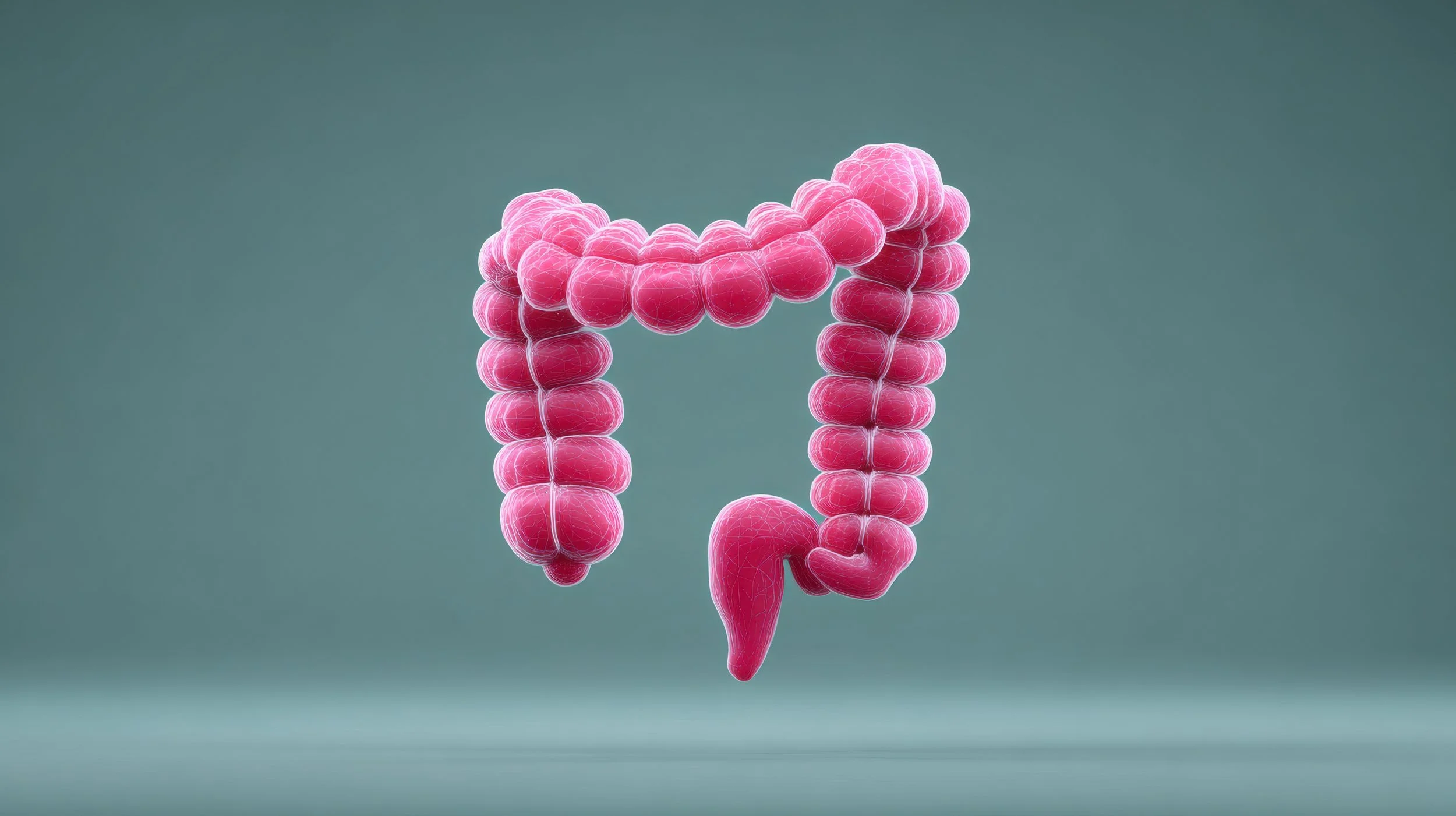
Acute Diverticulitis Updates
CT with IV contrast remains the imaging workhorse, but well-appearing patients with a classic history may not always need a scan. Uncomplicated cases could skip antibiotics altogether if they’re stable, tolerating PO, and low-risk for progression. Complicated cases still require a surgical consultation.
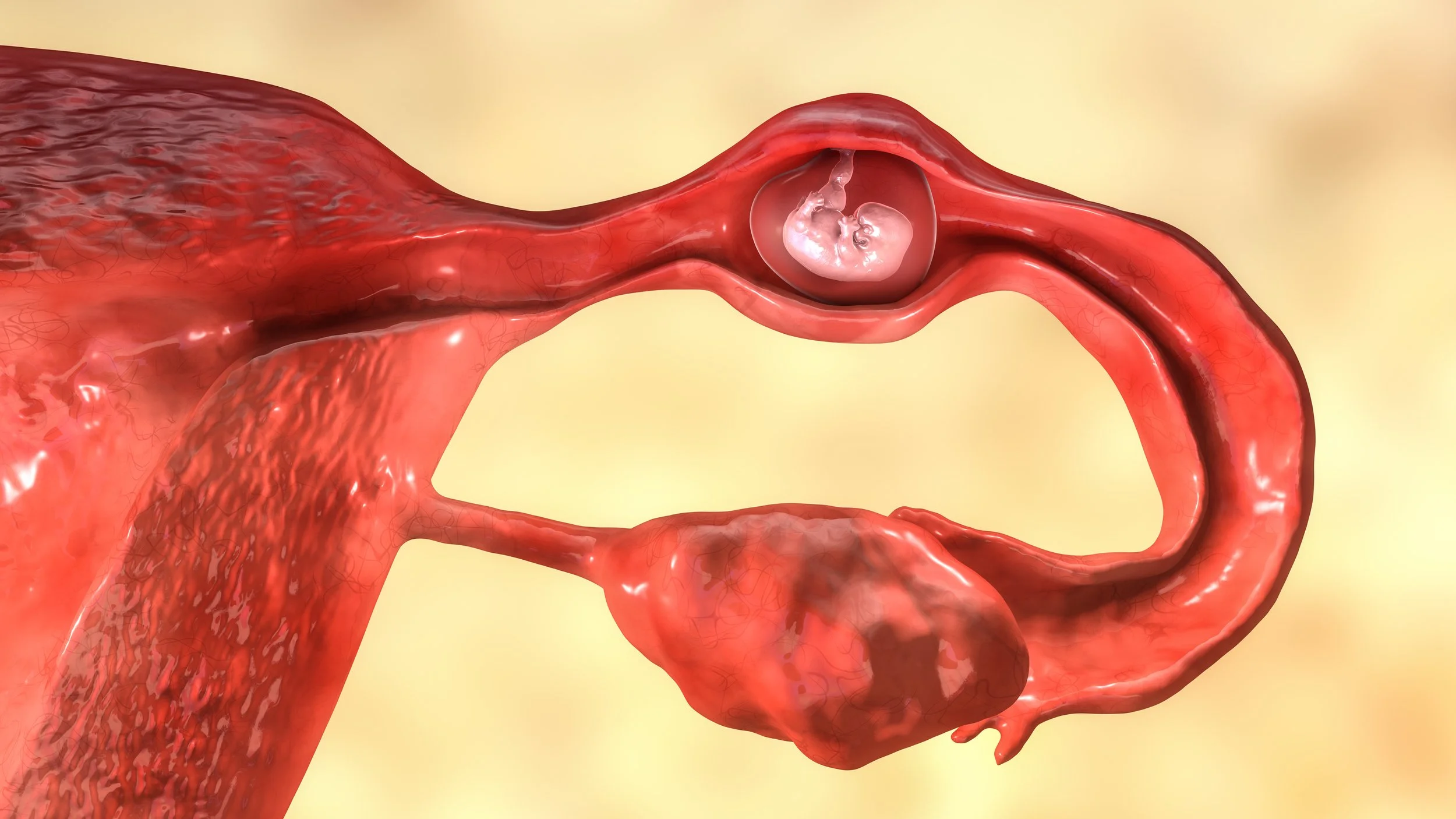
The Beta-HCG and Ectopic Pregnancy. Myth-Busting.
You can’t rule out an ectopic pregnancy with a low or “reassuring” β-hCG. The discriminatory zone only applies to normal intrauterine pregnancies, not ectopics—and many ruptures occur with levels well below 1,500 mIU/mL. Every symptomatic pregnant patient needs an ultrasound, regardless of hCG value. No hCG cutoff, and no pattern of symptoms, safely excludes an ectopic.
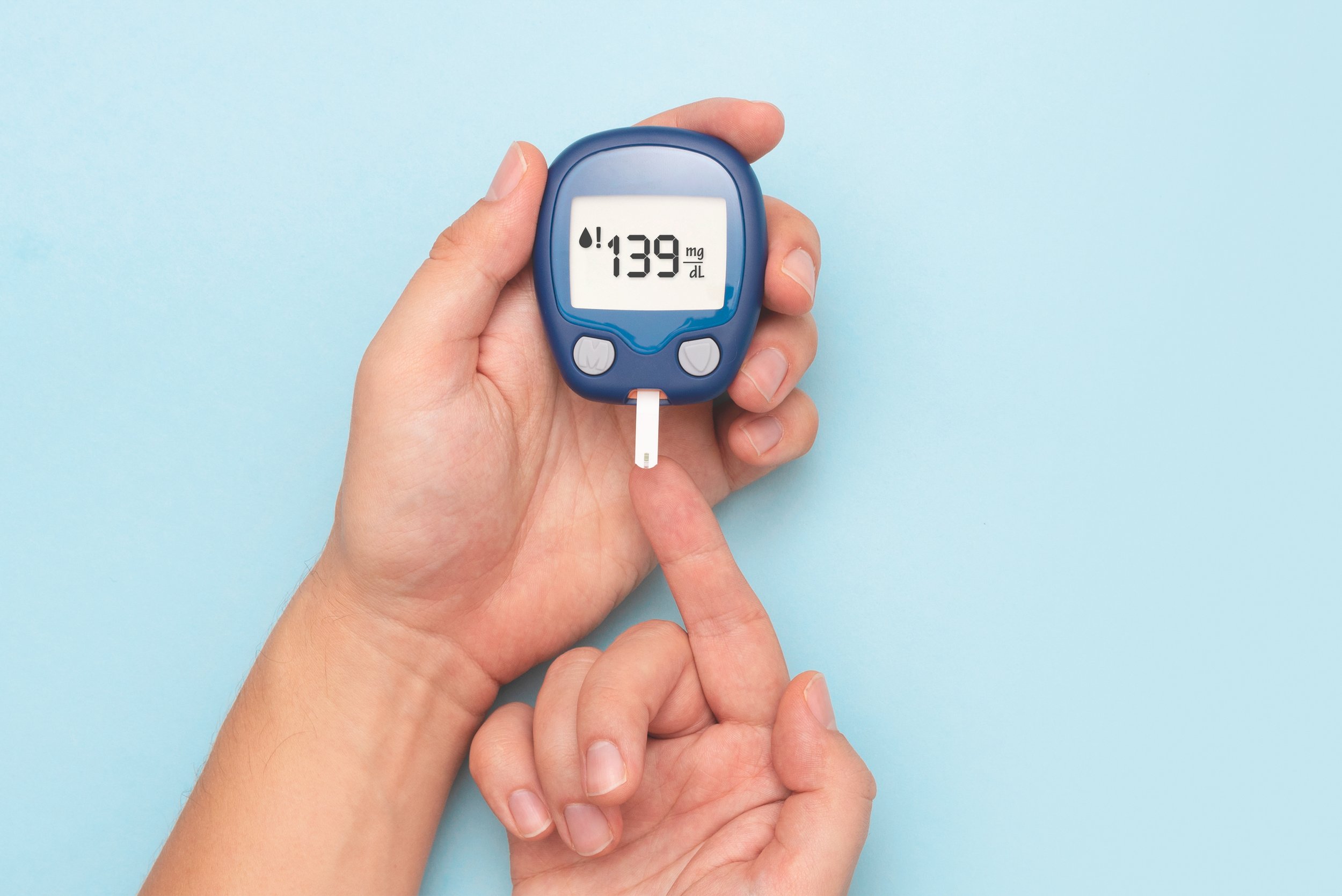
Diabetic KetoALKALOSIS
Sometimes DKA doesn’t read the textbook.
A patient can have elevated beta-hydroxybutyrate and a wide anion gap, yet show a normal or even alkalemic pH—thanks to vomiting, volume contraction, or mixed acid-base shifts. That’s diabetic ketoalkalosis. Don’t be fooled by the “normal” blood gas; if the gap and ketones are high, treat it like DKA.
Lactate, Lactate, Lactate…
Lactate has two personalities, and not all of them mean “shock.”
Type A stems from true hypoperfusion and anaerobic metabolism, while Type B comes from impaired lactate clearance or altered cellular processing—think thiamine deficiency, ethanol, metformin, malignancy, or liver disease. And when it spikes after a seizure? It’s only meaningful if caught fast—within about 90 minutes—before it clears and the trail goes cold.